Cladding Replacement in Boston, MA
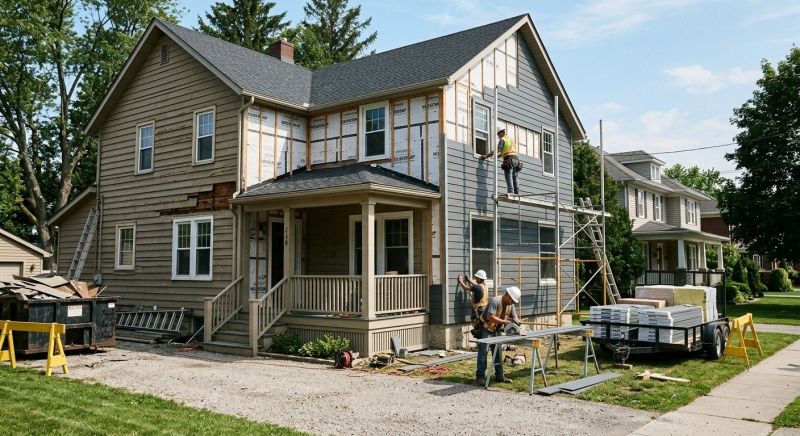
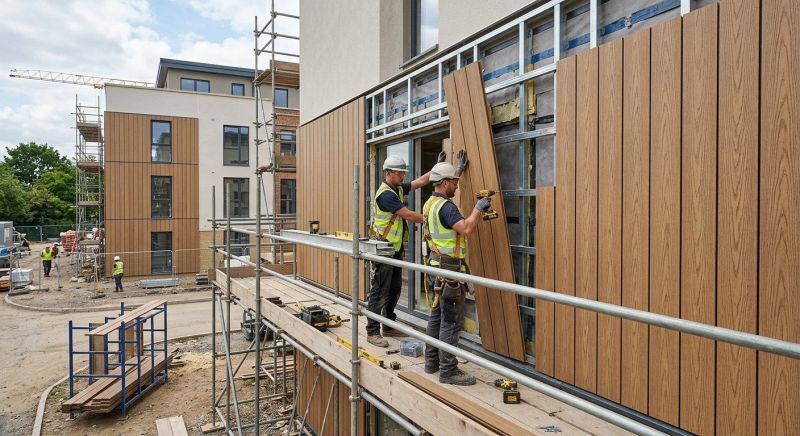
Cladding replacement services involve removing existing exterior cladding materials and installing new ones to enhance the appearance, durability, and insulation of a property. This type of project is common for homeowners looking to update worn or damaged siding, improve energy efficiency, or address issues such as leaks or mold. Various materials can be used for cladding replacement, including vinyl, fiber cement, wood, or metal, depending on the style and performance desired. Property owners typically want to understand the scope of work, the types of materials available, and how the replacement process can improve their home's exterior and longevity.
Before requesting cladding replacement services, homeowners often seek information about the project's impact on their property, including how long the work will take and any necessary preparations. They may also want to know about the maintenance requirements of different cladding options and how the new exterior will complement the overall aesthetic of their home. Understanding the potential benefits, costs, and any structural considerations can help property owners make informed decisions about updating their home's exterior.
Many property owners in Boston, MA look into Cladding Replacement for repairs, replacements, upgrades, and appearance-related improvements.
Enhancing Exterior Durability
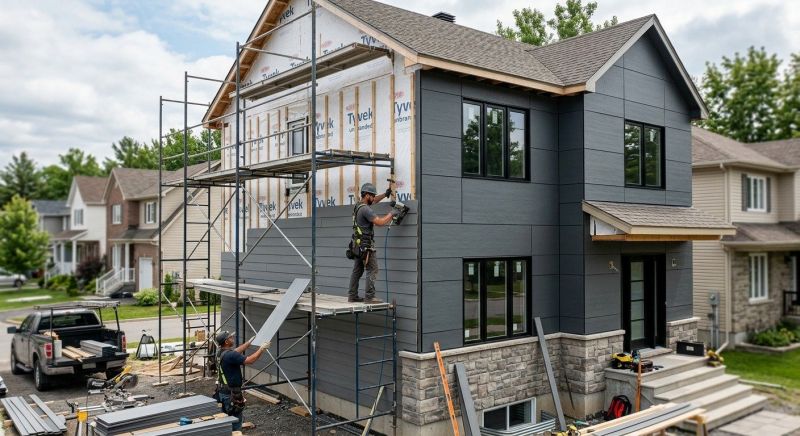
Cladding replacement helps protect buildings from weather damage and extends their lifespan.
Improving Curb Appeal
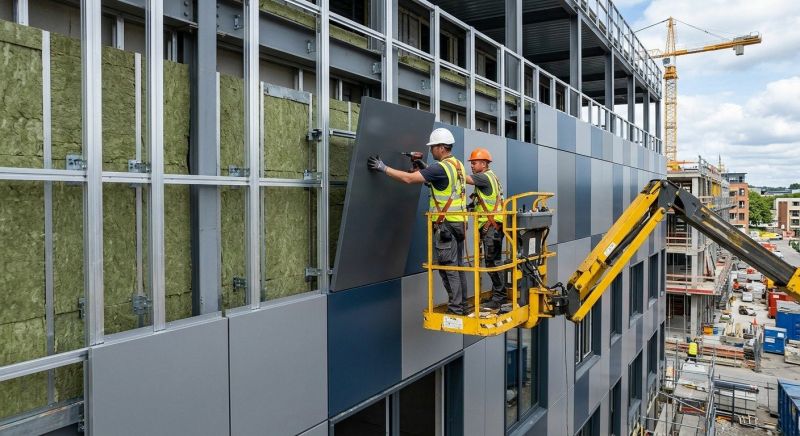
Upgrading cladding can refresh the appearance of homes and commercial properties in boston and surrounding areas.
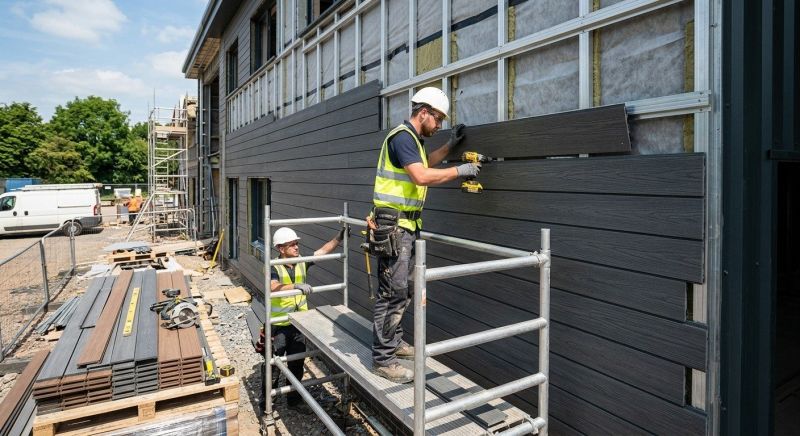
Customizing Building Styles
Various cladding options allow property owners to achieve different architectural looks and finishes.
Cladding Replacement in Boston, MA
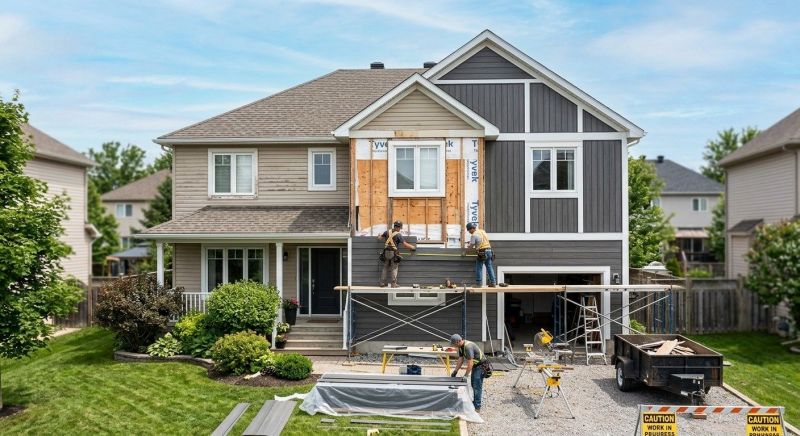
Cladding replacement services involve removing existing exterior cladding materials and installing new ones to enhance the appearance, durability, and insulation of a property. This type of project is common for homeowners looking to update worn or damaged siding, improve energy efficiency, or address issues such as leaks or mold. Various materials can be used for cladding replacement, including vinyl, fiber cement, wood, or metal, depending on the style and performance desired. Property owners typically want to understand the scope of work, the types of materials available, and how the replacement process can improve their home's exterior and longevity.
Before requesting cladding replacement services, homeowners often seek information about the project's impact on their property, including how long the work will take and any necessary preparations. They may also want to know about the maintenance requirements of different cladding options and how the new exterior will complement the overall aesthetic of their home. Understanding the potential benefits, costs, and any structural considerations can help property owners make informed decisions about updating their home's exterior.
Many property owners in Boston, MA look into Cladding Replacement for repairs, replacements, upgrades, and appearance-related improvements.
Common Cladding Replacement Jobs
Cladding Replacement - involves removing and replacing damaged or outdated exterior cladding to improve property appearance and function.
Vinyl Cladding Replacement - offers a low-maintenance option for updating the exterior with durable, weather-resistant materials.
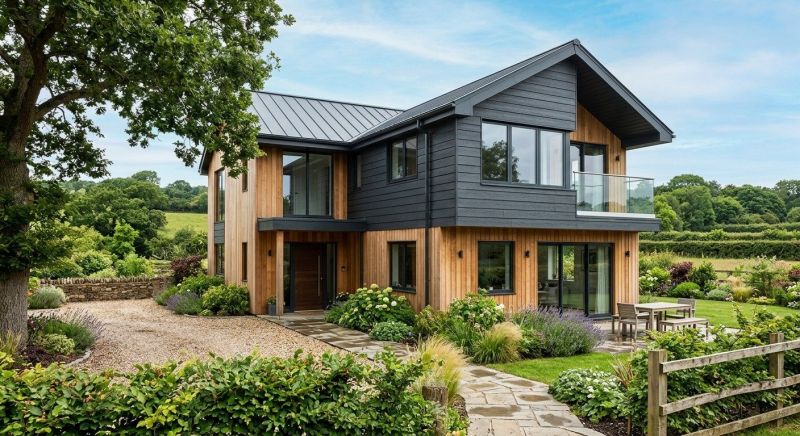
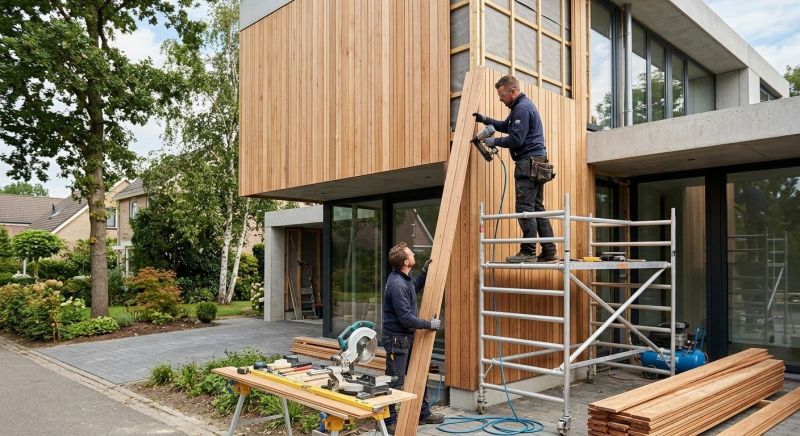
Wood Cladding Replacement - restores natural beauty and insulation to properties with traditional or rustic exterior finishes.
Fiber Cement Cladding Replacement - provides a strong, fire-resistant choice for enhancing exterior durability and safety.
Brick or Masonry Cladding Replacement - renews or repairs brick facades to maintain structural integrity and aesthetic appeal.
Insulation and Weatherproofing - can be integrated with cladding replacement to improve energy efficiency and protect against the elements.
Cladding Replacement Questions
What is cladding replacement? Cladding replacement involves removing old or damaged exterior panels and installing new ones to improve appearance and protection.
When should cladding be replaced? Replacement is recommended when cladding shows signs of extensive damage, rot, or deterioration that cannot be repaired effectively.
What types of materials are used for cladding replacement? Common materials include vinyl, fiber cement, wood, and metal panels, chosen based on the property's needs and style preferences.
What are the benefits of replacing cladding? Replacing cladding can enhance curb appeal, improve insulation, and increase the property's overall durability.
Request Cladding Replacement in Boston, MA
Use the quote form on this page to share the basics of your project and request more information for the type of work you need.